

Services

Limited To Immigration Law

Two women holding immigration documents outside the law office.

Naturalization

Becoming a U.S. citizen is one of the most important steps for any immigrant.

Employment-Based

Legal guidance for individuals and employers navigating employment-based immigration processes in the United States.

Hand reaching through a fence with U.S. flag in background, immigration legal services.

Removal Defense

Defense and representation for individuals facing removal or deportation proceedings before U.S. immigration authorities.

Immigration attorneys helping client with legal documentation.

Family – Based Immigration

We help individuals and families obtain permanent residency in the U.S.

U.S. visa application form with American flag and passport on desk.

Humanitarian Relief

Immigration relief programs for vulnerable individuals, including asylum, TPS, VAWA protections, U-Visas, and refugee benefits
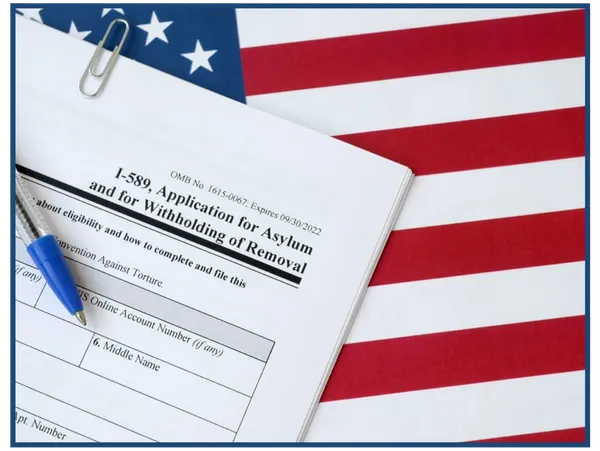
Immigration asylum application form on American flag background.

Immigration Waivers

Assistance with immigration waivers affecting admissibility or status.

Removal Defense & Deportation Defense Services

If you or a loved one is facing removal proceedings or deportation, time is critical. Immigration and Customs Enforcement (ICE) can detain individuals without a warrant, and the immigration court system moves quickly. The Law Office of Miguel Palmeiro, LLC provides aggressive removal defense and deportation defense to immigrants in Arlington, Virginia and throughout Northern Virginia.

Our firm has successfully defended clients using every available legal strategy—cancellation of removal, asylum, withholding of removal, Convention Against Torture claims, prosecutorial discretion motions, and bond hearings. If you're facing deportation, don't delay. Contact us immediately at 703-522-2427.

What Is Removal Proceedings and Why Immediate Legal Help Is Critical

Removal proceedings (formerly called deportation proceedings) are formal legal actions initiated by the U.S. government to expel you from the country. Unlike civil immigration matters, removal proceedings are complex, fast-moving, and have life-changing consequences—separation from family, loss of career, and deportation to a country where you may face danger.

Many people don't realize they're in removal proceedings until it's too late. You might receive a Notice to Appear (NTA) in the mail, be arrested by ICE, or be referred to immigration court by another agency. Once proceedings begin, the government takes an aggressive stance, and the immigration judge is a neutral decision-maker, not your advocate.

Immediate action is essential. Your deadlines are short, your options are time-sensitive, and every decision—from how you respond to the NTA, to what defenses you raise, to how you prepare evidence—affects your outcome. An experienced removal defense attorney can mean the difference between deportation and remaining in the United States with your family.

Understanding the Removal Process

Notice to Appear (NTA)

Your removal proceedings typically begin with a Notice to Appear (NTA). The NTA lists the government's allegations against you—grounds of removability—and provides your hearing date. You must appear in immigration court on the date specified, unless you've been detained, in which case ICE may hold you pending your first court appearance.

Don't ignore the NTA. Failure to appear results in an in absentia order of removal—an automatic deportation order. However, the NTA may contain errors, inconsistencies, or defects that can be challenged. We immediately review the NTA for technical issues, potential errors in allegations, and strategic opportunities.

Master Calendar Hearing

Your first court appearance is the master calendar hearing. This is a preliminary hearing where the immigration judge gathers basic information, ensures you understand the charges, and sets a schedule for your case. At the master calendar hearing, we may:

  • File motions to continue (request more time to prepare)
  • Challenge the NTA for technical defects
  • Request bond hearings if you're detained
  • Request a stay of removal if appropriate
  • Begin negotiations with the government (ICE prosecutor)

The master calendar hearing isn't a full hearing on the merits of your case—it's an administrative conference. However, strategic decisions made at the master calendar hearing can significantly impact your case's trajectory.

Individual Merits Hearing

The individual merits hearing is your full trial in immigration court. At this hearing, the government (represented by an ICE prosecutor) must prove grounds of removability by clear and convincing evidence. You have the right to be represented by an attorney (though not at government expense), present evidence, call witnesses, cross-examine the government's witnesses, and argue why you should not be removed.

The merits hearing is where we present all available defenses—cancellation of removal, asylum, withholding of removal, Convention Against Torture, or other relief. We present evidence of your family ties, community presence, rehabilitation, humanitarian factors, and any other mitigating circumstances. We cross-examine ICE witnesses, challenge their evidence, and construct a compelling narrative supporting your right to remain in the United States.

The Immigration Judge's Decision

After the merits hearing, the immigration judge issues a decision. The decision either sustains the government's charge of removability or finds it not established. If removability is sustained, the judge considers any available defenses and grants or denies relief. If relief is granted, you may receive cancellation of removal, asylum, withholding, or other relief. If relief is denied, an order of removal is issued, and you have 30 days to appeal to the Board of Immigration Appeals.

Immigration judges have broad discretion in removal cases. Their decisions are based on evidence presented at trial, testimony credibility, legal arguments, and sometimes equitable considerations. A skilled defense attorney who presents compelling evidence and persuasive legal arguments can persuade a judge to grant relief even in difficult cases.

Appeals to the Board of Immigration Appeals (BIA)

If the immigration judge orders your removal, you have 30 days to file a notice of appeal to the Board of Immigration Appeals (BIA), a federal appellate body that reviews immigration judge decisions. Appeals are based on the written record from your trial—there are no oral arguments or new evidence (with limited exceptions). We carefully preserve the record at trial, identify legal errors, and present compelling appellate arguments to the BIA.

Our Removal Defense Strategies

Cancellation of Removal

Cancellation of removal is one of the most powerful defenses available. If you meet strict requirements, the immigration judge may cancel the removal proceedings and grant you permanent resident status (green card). Cancellation is available in two forms, depending on your current status.

Cancellation for Non-Permanent Residents (10-Year Rule)

If you're not yet a permanent resident (green card holder), you may be eligible for cancellation if you meet four requirements:

  • Continuous Physical Presence: You must have been physically present in the United States for at least 10 years immediately before the NTA was served. This period is calculated from the day you last entered the U.S. (or were last paroled in). Any trip outside the country that exceeds 90 days breaks the continuous physical presence, as do any trips that violate your immigration status. We carefully calculate your presence and identify any trips that might disrupt it.
  • Good Moral Character: You must demonstrate good moral character for the past 10 years. This means no serious crimes, no fraud, no repeated misdemeanors, and general law-abiding conduct. Criminal convictions, even minor ones, can jeopardize good moral character. We help clients address criminal history and present evidence of rehabilitation and positive community involvement.
  • Exceptional and Extremely Unusual Hardship: Removing you must result in exceptional and extremely unusual hardship to a lawful permanent resident or U.S. citizen spouse, parent, or child. This is a high bar—mere separation or economic hardship may not meet the threshold. We build strong hardship cases, documenting medical conditions, serious financial dependence, severe emotional bonds, and family circumstances that rise to "exceptional and extremely unusual."
  • Eligibility: You must be removable but not deportable on certain grounds (like crimes of violence). We evaluate your specific grounds of removability and whether cancellation is legally available.

Cancellation for Permanent Residents (7-Year Rule)

If you're already a permanent resident (green card holder), cancellation is available under a different standard on Form EOIR 42A. The requirements are less stringent:

  • Permanent resident status for at least 5 years
  • Physical presence in the U.S. for at least 7 years after obtaining permanent residency
  • Good moral character during the time period
  • No deportability grounds related to crimes of violence or serious crimes

Permanent residents typically have better chances of cancellation because the hardship standard is lower and the time requirements are shorter. We ensure permanent residents understand they may have this powerful remedy available.

Asylum as a Removal Defense

Asylum protects individuals fleeing persecution based on race, religion, nationality, political opinion, or membership in a particular social group. Unlike affirmative asylum applications filed while in the U.S., defensive asylum is raised during removal proceedings—often after you've been arrested or detained.

The Defensive Asylum Process

In removal proceedings, you can file a defensive asylum application (Form I-589) and argue asylum during your merits hearing. The immigration judge will consider whether you establish a well-founded fear of persecution in your home country. The government (through the Department of Homeland Security) will argue against asylum eligibility.

Well-Founded Fear of Persecution

To establish asylum eligibility, you must show a well-founded fear of persecution based on one of five protected grounds: race, religion, nationality, political opinion, or membership in a particular social group. "Persecution" means serious harm inflicted by the government or government-tolerated non-state actors because of your protected status.

We build compelling asylum cases documenting country conditions, personal experiences, family history, and government persecution. We gather expert testimony, news reports, and government documents showing that persecution is occurring in your home country. We also establish that you have a well-founded fear—fear is not required to be realistic, merely objectively reasonable based on country conditions and personal experience.

The One-Year Filing Deadline Exception